

Architecture placeholder
APPNEURAL service capability architecture
Architecture placeholder
APPNEURAL service capability architecture
Systems
Architecture-led delivery
Automation
Operational workflow engineering
Scale
Platform-ready execution
Services
APPNEURAL capabilities are organized around AI Systems Engineering, Platform Engineering, Automation Engineering, and Fullstack Engineering.
This is not a generic service menu. It is the engineering capability layer APPNEURAL applies to design, build, integrate, and scale intelligent systems.
Architecture placeholder
APPNEURAL service capability architecture
Architecture placeholder
APPNEURAL service capability architecture
Systems
Architecture-led delivery
Automation
Operational workflow engineering
Scale
Platform-ready execution
Definition
APPNEURAL capabilities are the engineering disciplines used to design, build, automate, and scale intelligent systems. They exist to turn architecture decisions into working products, workflows, and platform foundations.
What it is
A capability model covering AI Systems Engineering, Platform Engineering, Automation Engineering, and Fullstack Engineering.
Why it matters
Clear capability language helps buyers understand what APPNEURAL does and how those disciplines connect to delivery.
How APPNEURAL applies it
Each capability pillar links to detailed service pages, architecture decisions, and reusable platform outcomes.
Capability Architecture
APPNEURAL capabilities are grouped into clear engineering pillars so buyers can understand what APPNEURAL does, why it matters, and how those disciplines enable platform and system delivery.
AI Systems Engineering
APPNEURAL engineers intelligent systems where AI is built into workflows, interfaces, data movement, and operational logic from the start.
Platform Engineering
APPNEURAL builds durable platform foundations for multi-role products, internal systems, reusable services, and scalable SaaS delivery.
Automation Engineering
APPNEURAL turns fragmented manual execution into governed workflow systems, automation infrastructure, and measurable operating flow.
Fullstack Engineering
APPNEURAL delivers production-grade systems across interface, backend, integration, and infrastructure layers with product-level discipline.
Capability Pillar
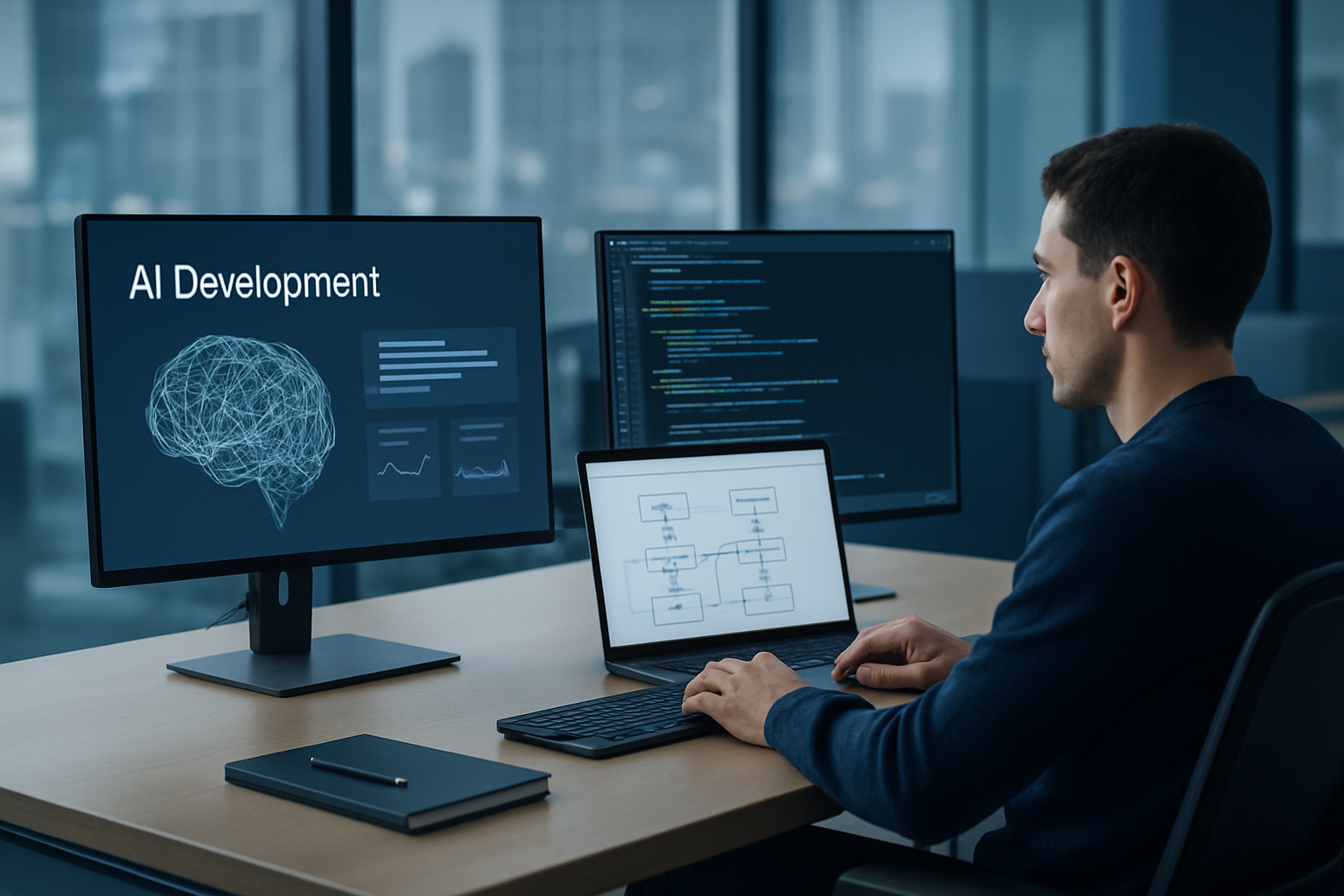
APPNEURAL engineers intelligent systems where AI is built into workflows, interfaces, data movement, and operational logic from the start.
Engineering Focus
System modeling, intelligence layers, retrieval and document workflows, AI APIs, and production-ready orchestration.
AI is integrated into the architecture, not added as an afterthought.
Intelligence layers are shaped around real workflows and production constraints.
Systems are built to remain useful, governable, and extensible over time.
Architecture placeholder
AI Systems Engineering
Architecture placeholder
AI Systems Engineering
Linked detailed pages
Capability Pillar
APPNEURAL builds durable platform foundations for multi-role products, internal systems, reusable services, and scalable SaaS delivery.
Engineering Focus
Platform boundaries, shared services, tenancy strategy, cloud-native delivery, API layers, and extensible system design.
Platform decisions are tied to long-term scalability, not short-term project convenience.
Architecture, APIs, and infrastructure are aligned as one operating foundation.
Systems are built for reuse, maintainability, and product expansion.

Brand placeholder
Platform Engineering
Brand placeholder
Platform Engineering
Linked detailed pages
Platform Engineering for Modern Software Ecosystems
APPNEURAL provides platform engineering services for modern software ecosystems that need developer platforms, internal tooling, reusable infrastructure, and scalable delivery foundations.
System Architecture for Scalable and Maintainable Platforms
APPNEURAL provides system architecture consulting for software platforms that need scalable architecture, maintainable systems, clean integrations, and future-ready technical foundations.
Cloud and DevOps Engineering for Scalable Systems
APPNEURAL provides cloud and DevOps engineering services for scalable systems, CI/CD pipelines, deployment automation, infrastructure reliability, and operational resilience.
API Development for Scalable Integrations
APPNEURAL provides API development services for scalable integrations, platform connectivity, internal APIs, third-party integrations, and maintainable system interoperability.
Capability Pillar
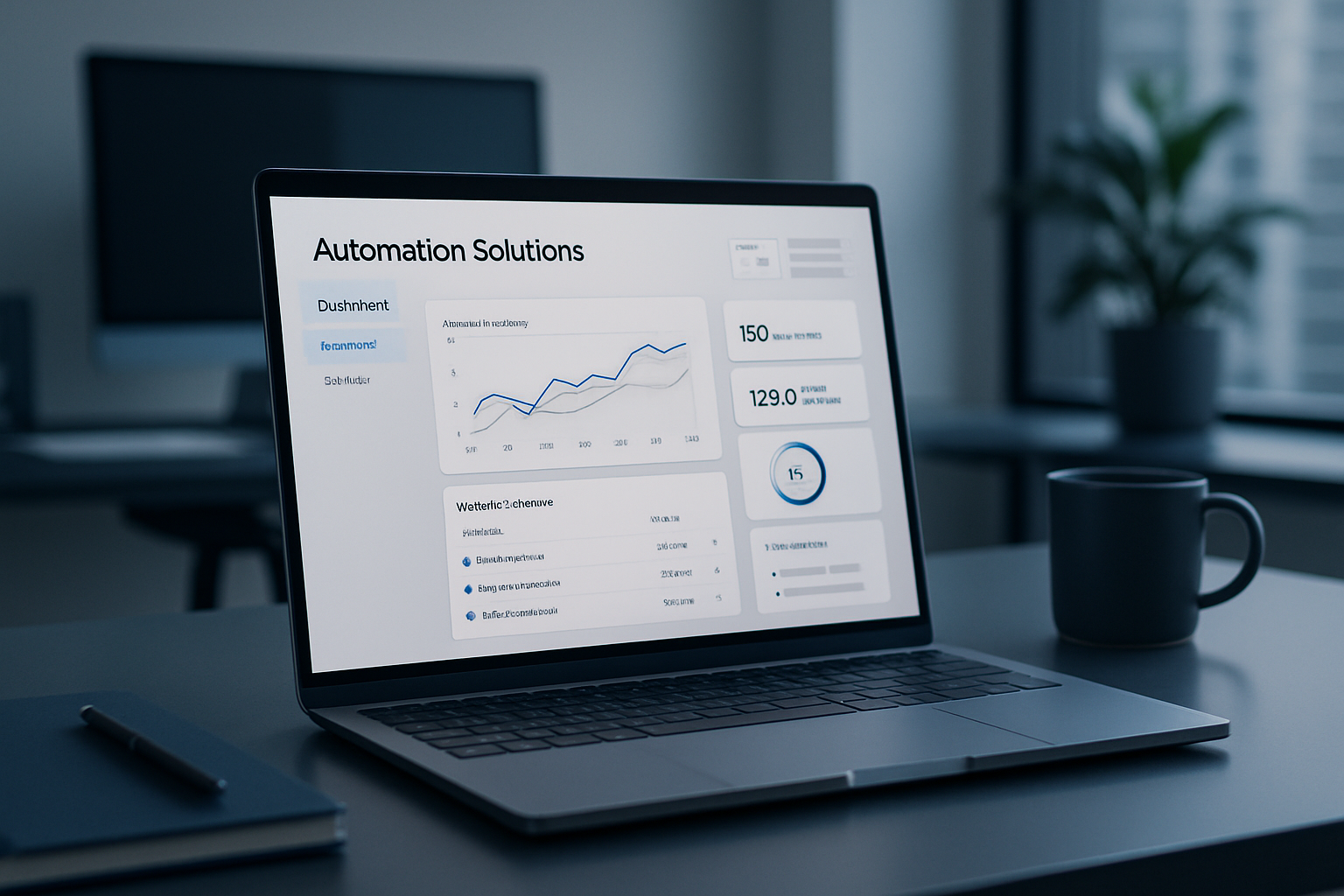
APPNEURAL turns fragmented manual execution into governed workflow systems, automation infrastructure, and measurable operating flow.
Engineering Focus
Workflow mapping, orchestration logic, event and approval flows, automation controls, and visibility across operations.
Automation is designed around process reality, not abstract tooling promises.
Operational control, exception handling, and reporting remain visible.
Automation systems are engineered to support reliability, not just speed.
Workflow placeholder
Automation Engineering
Workflow placeholder
Automation Engineering
Linked detailed pages
Automation Solutions for Efficient Business Operations
APPNEURAL provides automation solutions for businesses that need workflow automation, process automation, and business automation systems that reduce manual work and improve operational control.
Digital Transformation Through AI and Automation
APPNEURAL provides digital transformation consulting for organizations modernizing systems, workflows, enterprise software, automation, and operating models through practical engineering decisions.
Capability Pillar
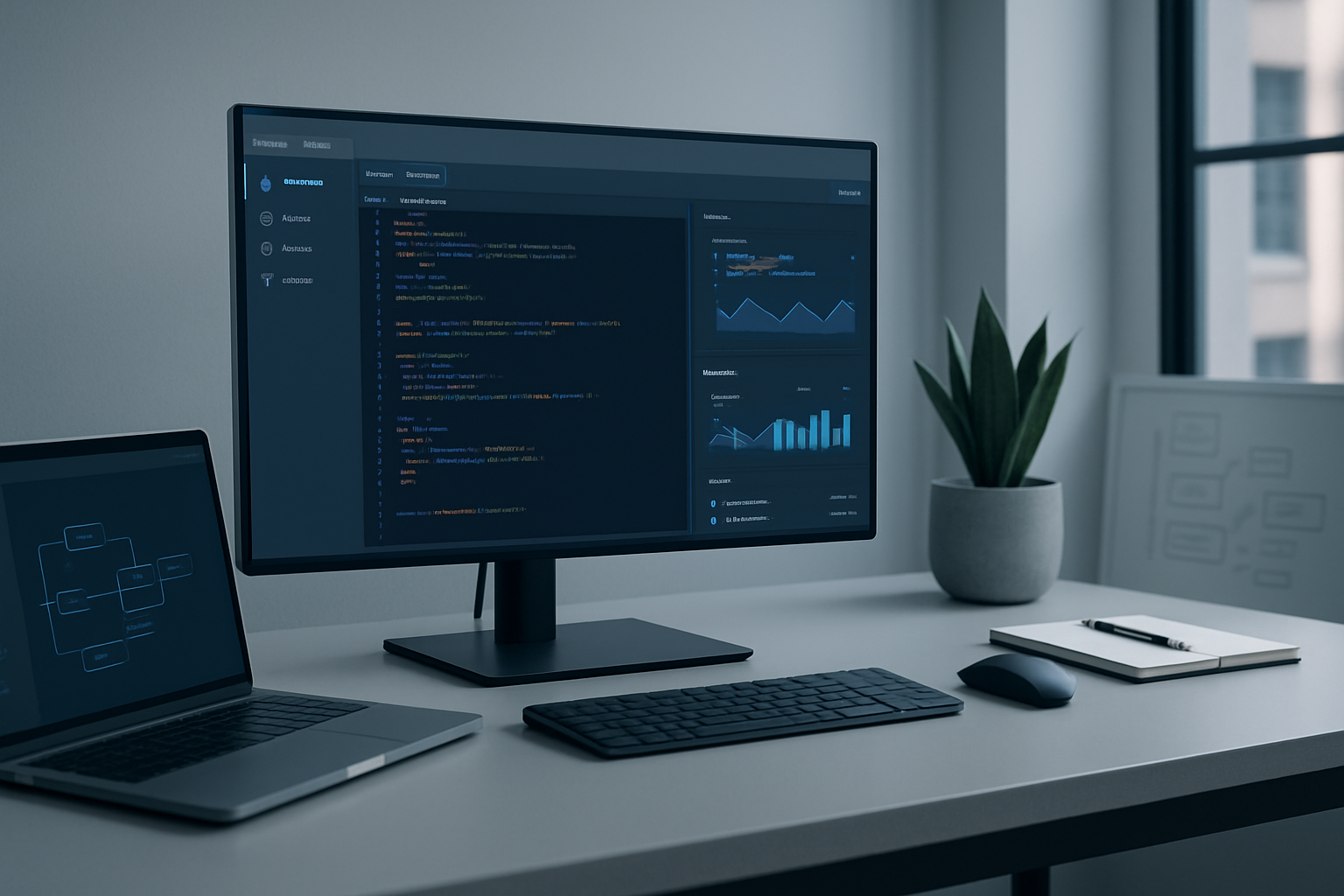
APPNEURAL delivers production-grade systems across interface, backend, integration, and infrastructure layers with product-level discipline.
Engineering Focus
Frontend systems, backend services, SaaS products, portals, dashboards, and integrated delivery across the full stack.
User experience, backend logic, and system integrations are engineered as one product.
Delivery is shaped around maintainable architecture instead of disconnected implementation layers.
Products are built to support growth in roles, workflows, and operational complexity.
Dashboard placeholder
Fullstack Engineering
Dashboard placeholder
Fullstack Engineering
Linked detailed pages
Next step
APPNEURAL uses the first consultation to define system fit, architecture direction, and the most useful next step.

Consultation placeholder
APPNEURAL service consultation pathway
Consultation placeholder
APPNEURAL service consultation pathway
Architecture Throughline
The APPNEURAL capability model is not a disconnected menu. It is a coordinated engineering approach to system boundaries, service design, integration logic, and scalable platform growth.
System boundaries
Service architecture
API-first integration
Scalable data models
AI integration layers
Cloud-native delivery
Related Pathways
These related pages connect APPNEURAL capabilities to the platform ecosystem, architecture models, and vertical system requirements.
Platform ecosystem
Explore the intelligent platforms these engineering capabilities are designed to enable.
Architecture models
See how APPNEURAL connects capabilities to AI SaaS Architecture, APIs, automation systems, and platform scale.
Industry context
Understand how the same engineering model applies across education, finance, healthcare, retail, logistics, and more.
FAQ
These short answers help teams understand fit, scope, and how APPNEURAL approaches engineering work.
APPNEURAL should prioritize dedicated service pages for AI development, automation solutions, system architecture consulting, digital transformation consulting, and platform engineering because those map closely to high-intent commercial searches.
Service clusters help search engines understand topical depth. A main service page supported by related solutions, guides, FAQs, and use cases creates stronger semantic relevance and better internal linking signals.
Answer engines prefer service pages that define the topic clearly, explain use cases and benefits, link to related resources, and include FAQs with direct, structured answers.