
Architecture placeholder
APPNEURAL architecture pathways
Architecture placeholder
APPNEURAL architecture pathways
Scale
System foundations
Flow
Event and workflow logic
Intelligence
AI integration layers
Architecture
APPNEURAL uses architecture to connect system boundaries, automation infrastructure, intelligence layers, and scalable product delivery into one coherent engineering model.
This page explains the technical patterns APPNEURAL applies across AI systems, workflow platforms, multi-tenant SaaS products, and cloud-native software architecture.
Architecture placeholder
APPNEURAL architecture pathways
Architecture placeholder
APPNEURAL architecture pathways
Scale
System foundations
Flow
Event and workflow logic
Intelligence
AI integration layers
Definition
AI SaaS Architecture is the system design layer that connects service boundaries, automation flow, intelligence layers, data models, and cloud delivery into one scalable operating model. It matters because AI products and automation systems fail when architecture is unclear.
What it is
A structured system model for scalable AI products, workflow platforms, and multi-tenant software.
Why it matters
Architecture decisions shape reuse, integrations, automation reliability, observability, and long-term maintainability.
How APPNEURAL applies it
APPNEURAL uses practical architecture pathways instead of generic patterns, based on product goals, workflow complexity, and operating constraints.
Architecture Story
Step 04 / 04
System Boundaries
Intelligence Layer
Automation Graph
Scale Foundation
Active Layer
Scale Foundation
Prepare for growth
Architecture Storytelling
This sequence explains the APPNEURAL architecture model as a practical engineering progression, not a static diagram.
System Boundaries
DoneAPPNEURAL starts by mapping responsibilities, ownership, and interface boundaries so systems stay stable as complexity grows.
Intelligence Layer
DoneIntelligence services are introduced where decision quality, retrieval, prediction, or orchestration can improve outcomes.
Automation Graph
DoneWorkflow automation links services, events, and handoffs into a governed execution layer with clear observability.
Scale Foundation
ActiveArchitecture is hardened for multi-tenant delivery, reliability, and extension across products, teams, and integrations.
Architecture patterns
APPNEURAL architecture work focuses on practical system models that support flexibility, maintainability, integrations, intelligence, and platform growth.
Microservices architecture
Use service boundaries, domain ownership, and modular deployment paths to improve flexibility, scale, and long-term maintainability.
Event-driven systems
Coordinate workflows through events, triggers, and asynchronous system behavior where business operations benefit from decoupled flow.
Multi-tenant SaaS architecture
Design product systems that support shared platform foundations, tenant isolation, extensibility, and scalable product growth.
AI pipelines
Connect data, retrieval, prompt logic, model orchestration, and workflow actions into governed intelligence layers.
Cloud-native architecture
Engineer deployment, reliability, observability, and operational control as part of the platform foundation from the beginning.
How APPNEURAL engineers architecture
Architecture is where APPNEURAL connects product direction, workflows, service design, AI opportunities, and delivery constraints into one system plan.
Boundaries
Define the right system boundaries, module responsibilities, and service ownership before implementation complexity grows.
Services
Choose where services should be separate, shared, or consolidated based on workflow reality and scaling pressure.
APIs
Design API-first communication paths so products, portals, tools, and integrations can evolve cleanly.
Data models
Build scalable data structures that support reporting, automation, multi-role usage, and platform growth.
Intelligence layers
Introduce AI where it supports search, guidance, classification, extraction, decision support, or workflow execution.
Deployment model
Shape cloud delivery, release flow, observability, and runtime reliability into the architecture itself.

Architecture placeholder
APPNEURAL engineering architecture approach
Architecture placeholder
APPNEURAL engineering architecture approach
Architecture lens
APPNEURAL recommends architecture based on actual system needs, team maturity, workflow complexity, and long-term operating goals rather than defaulting to one pattern for every product.
Architecture pathways
These architecture pathways connect recurring business needs to practical implementation models across AI systems, automation platforms, portals, dashboards, and product foundations.
Workflow placeholder
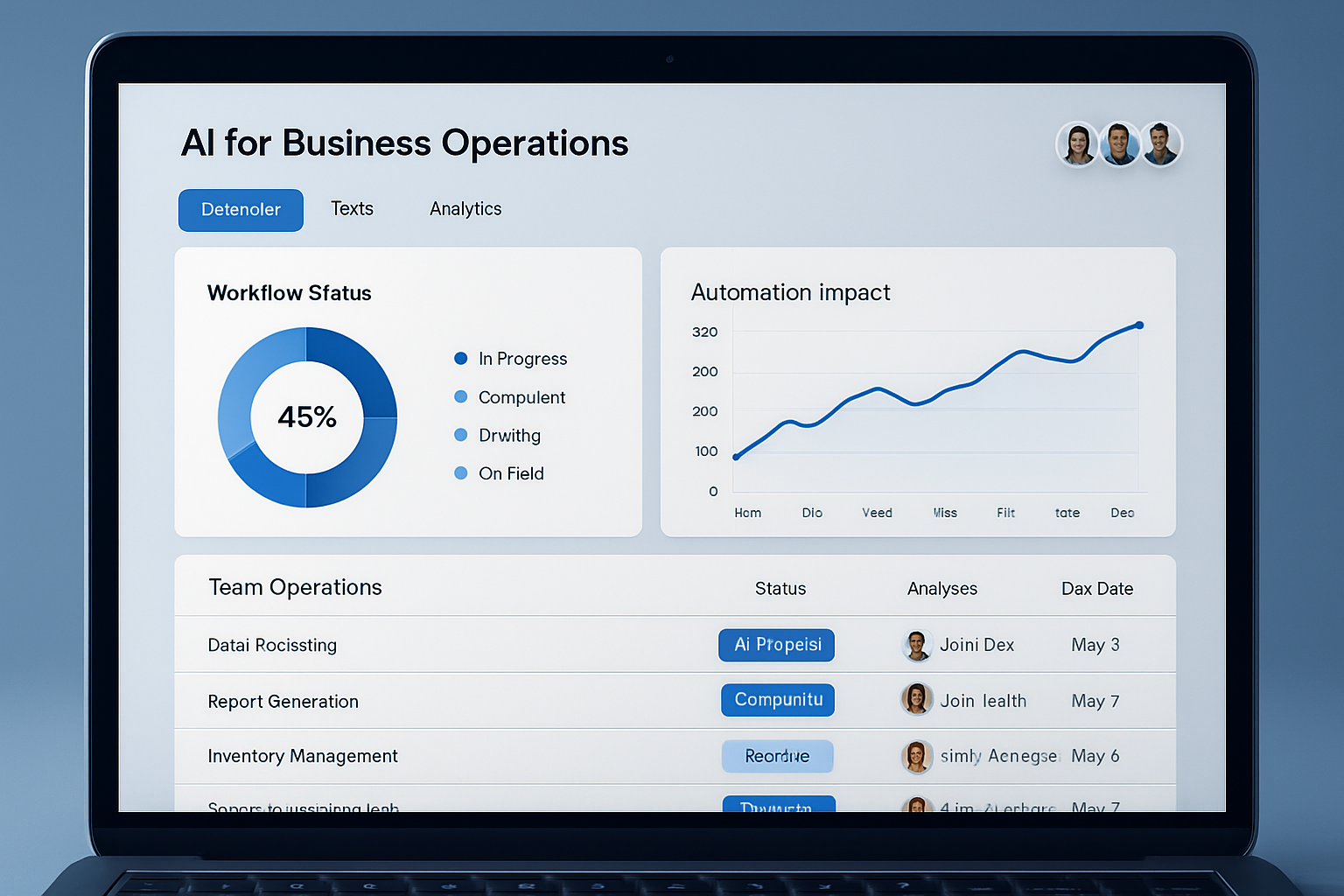
AI for Business Operations
Workflow placeholder
AI for Business Operations
AI for business operations that helps teams reduce repetitive work, improve visibility, automate workflow decisions, and move faster with better operational intelligence.
Architecture fit
APPNEURAL combines AI assistance, workflow logic, dashboards, and integrations to make operations more responsive and scalable.
Workflow placeholder
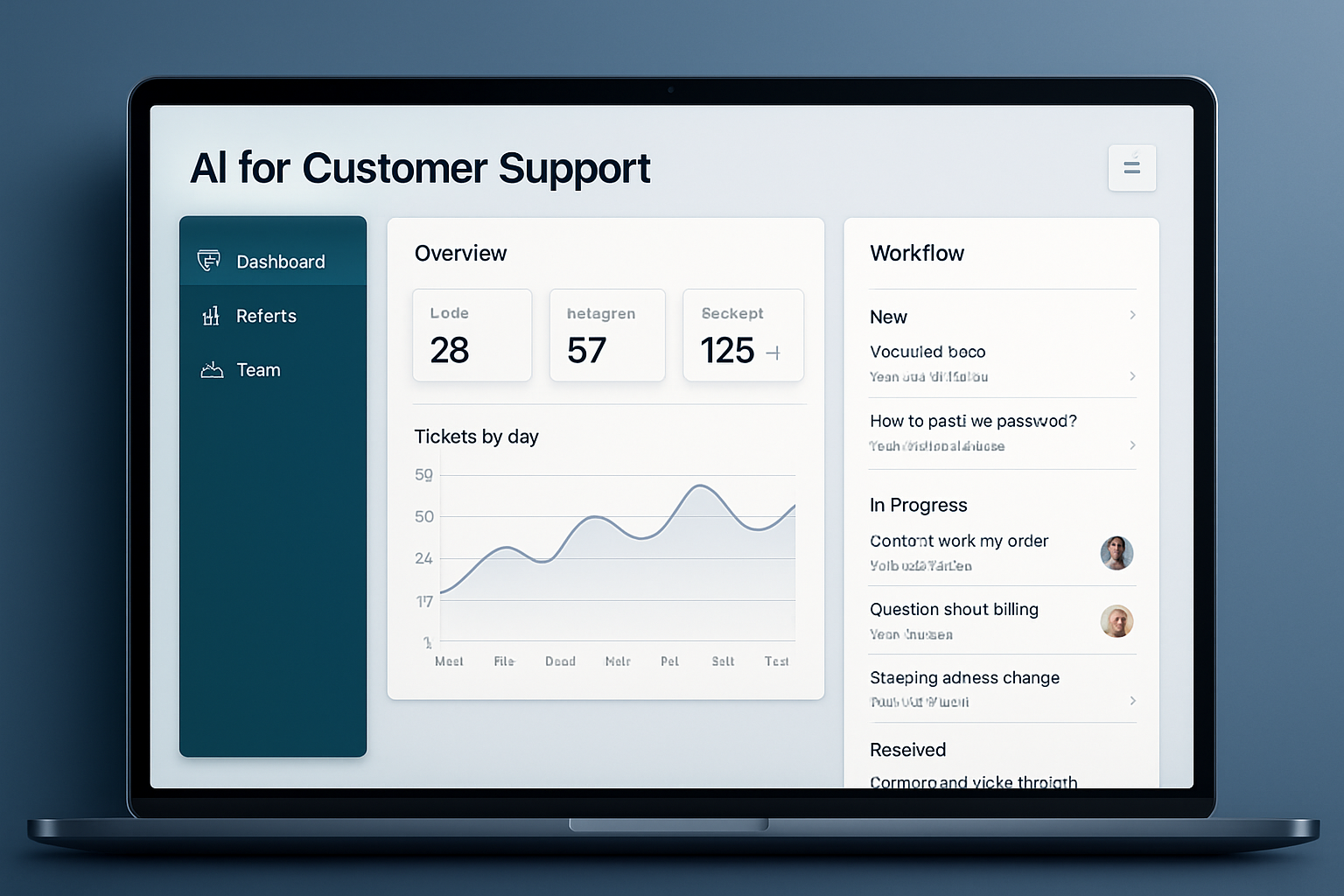
AI for Customer Support
Workflow placeholder
AI for Customer Support
AI for customer support that helps teams automate repetitive responses, improve support consistency, and build scalable support operations with knowledge-driven systems.
Architecture fit
APPNEURAL creates support assistants, retrieval systems, escalation workflows, and dashboards that improve service quality.
Workflow placeholder
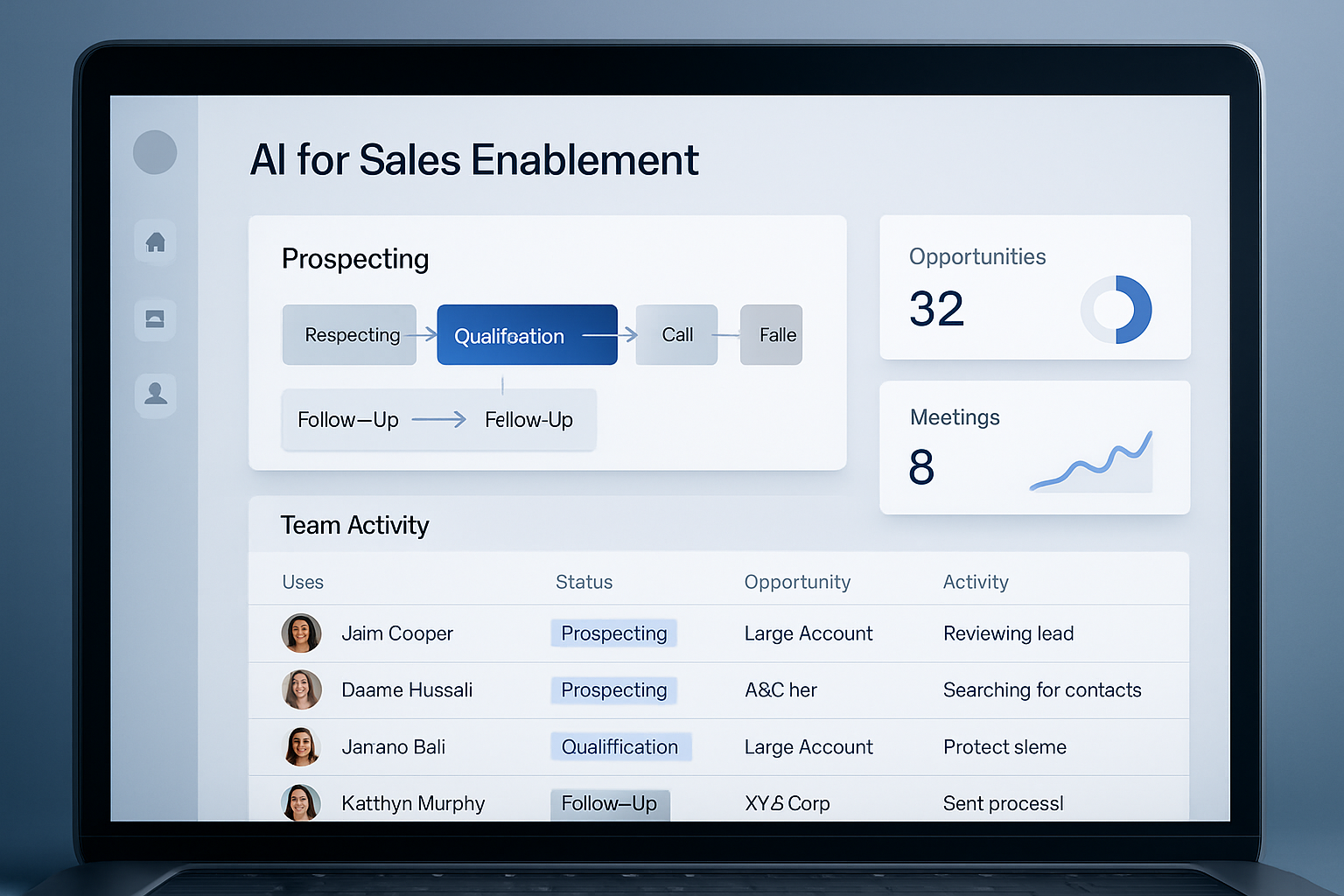
AI for Sales Enablement
Workflow placeholder
AI for Sales Enablement
AI for sales enablement that helps sales teams qualify leads, surface account insights, automate prep work, and improve response quality with stronger context.
Architecture fit
APPNEURAL structures AI-assisted qualification, knowledge retrieval, CRM enrichment, and workflow support for sales teams.
Workflow placeholder
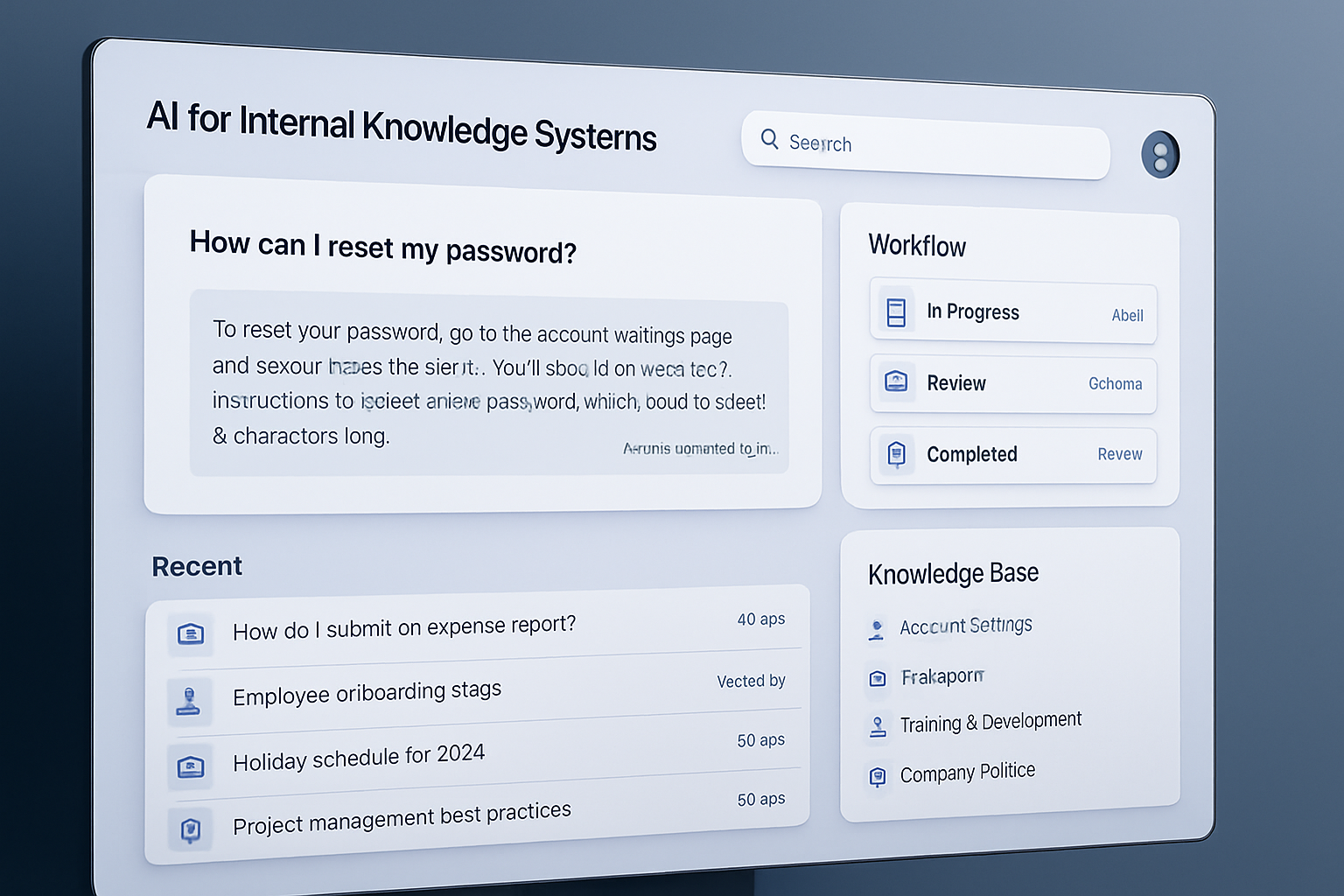
AI for Internal Knowledge Systems
Workflow placeholder
AI for Internal Knowledge Systems
AI for internal knowledge systems that helps teams search internal documentation, retrieve trusted answers faster, and reduce dependency on tribal knowledge.
Architecture fit
APPNEURAL designs knowledge systems that organize business information into searchable, AI-ready, trustworthy internal capability.
Workflow placeholder
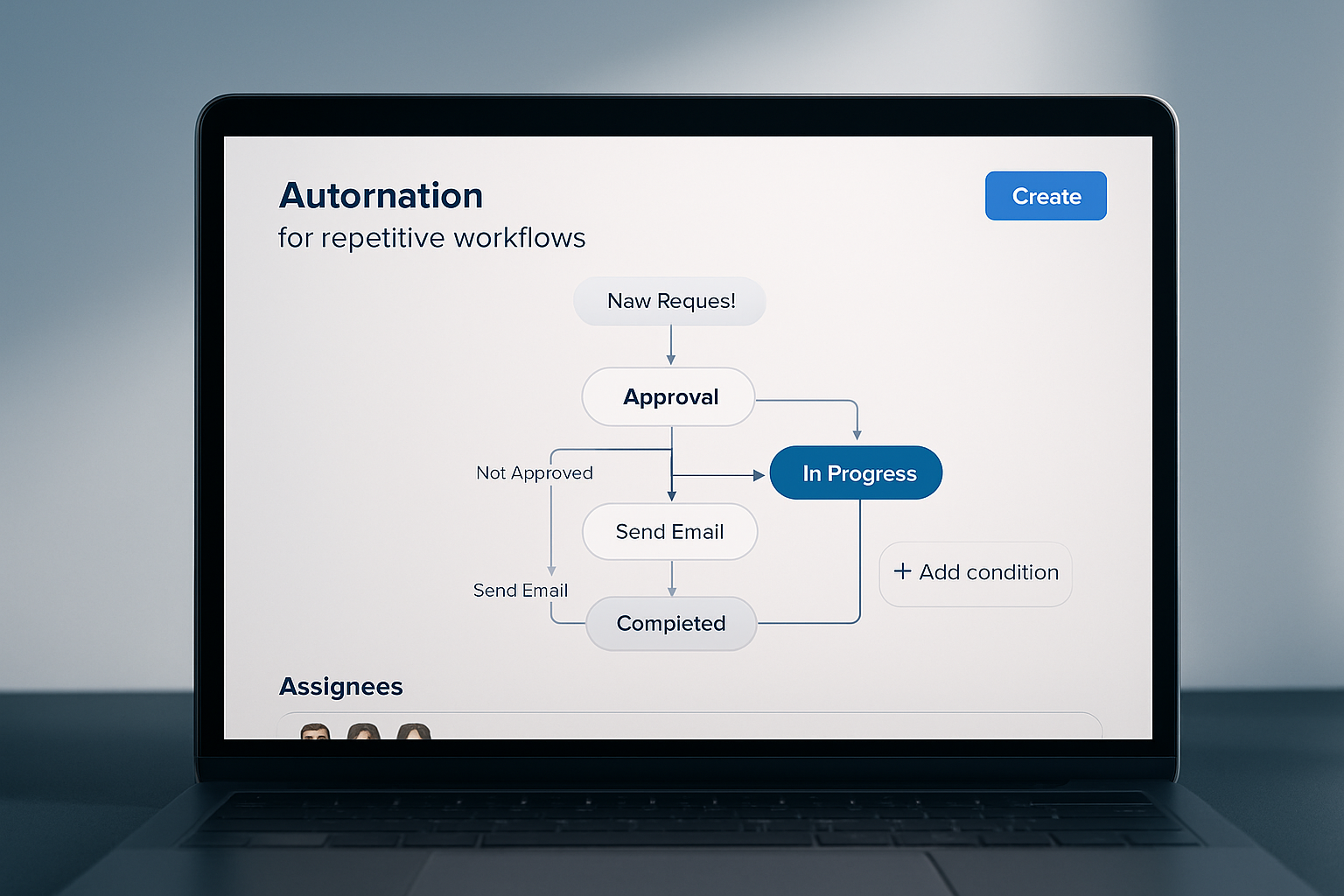
Automation for Repetitive Workflows
Workflow placeholder
Automation for Repetitive Workflows
Automation for repetitive workflows that reduces manual work, speeds up repeated business processes, and improves process consistency through workflow automation.
Architecture fit
APPNEURAL builds automations around predictable tasks, handoffs, approvals, and notifications to reduce waste and delay.
Workflow placeholder
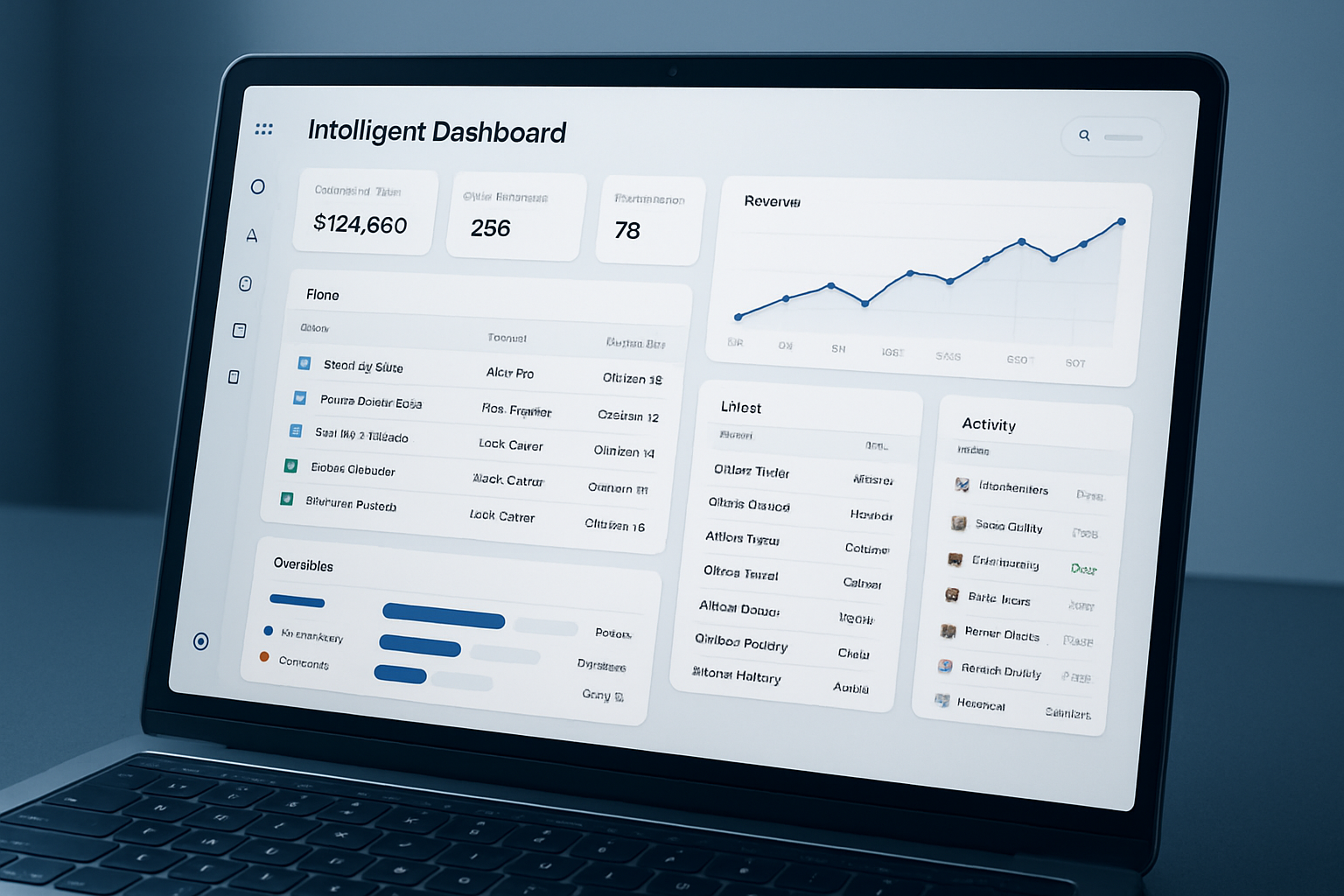
Intelligent Dashboards & Admin Systems
Workflow placeholder
Intelligent Dashboards & Admin Systems
Intelligent dashboards and admin systems that combine data visibility, approvals, reporting, and workflow control in one operational software layer.
Architecture fit
APPNEURAL creates dashboards and admin systems that help teams see, decide, and act without switching across fragmented tools.
Workflow placeholder
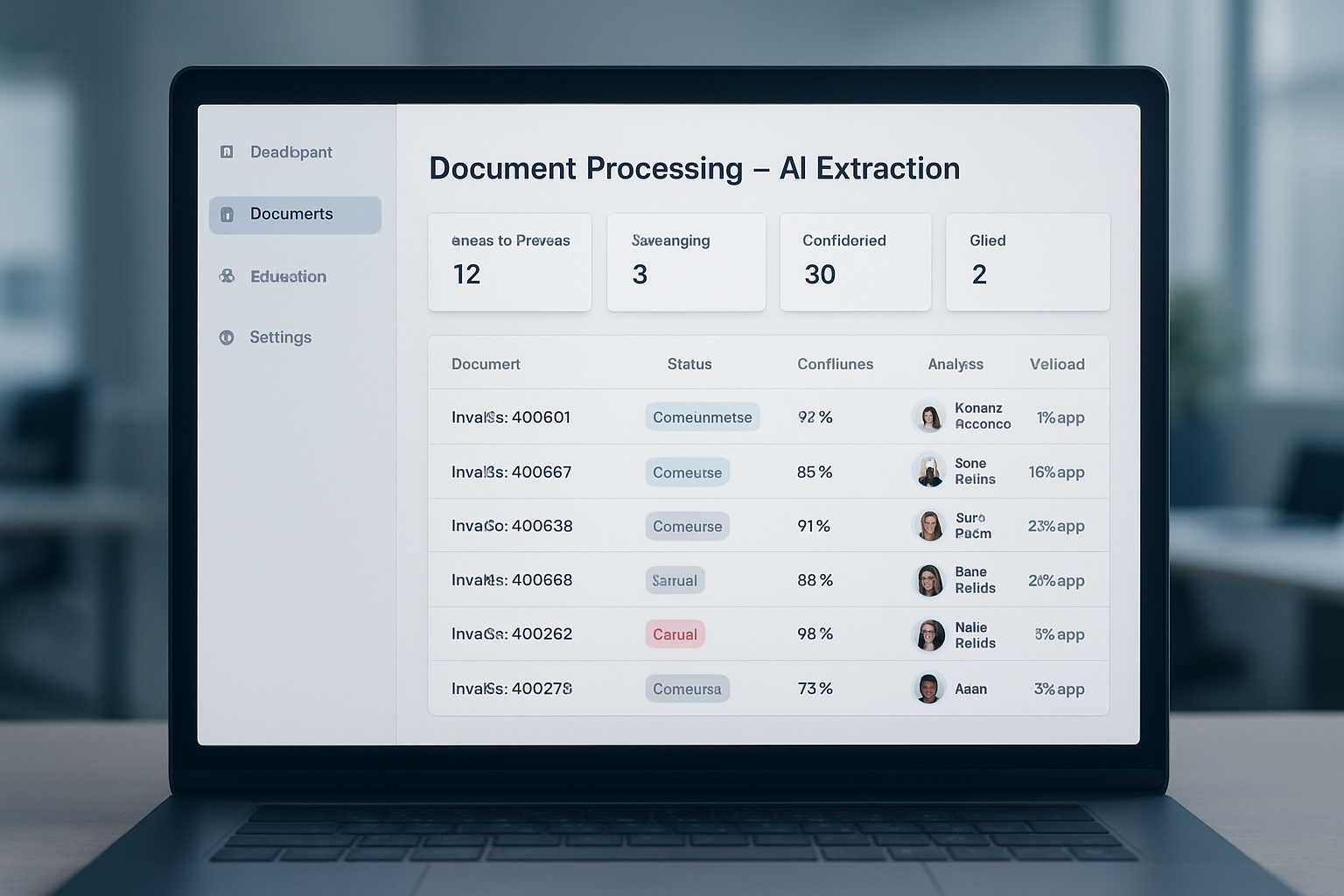
Document Processing & AI Extraction
Workflow placeholder
Document Processing & AI Extraction
Document processing and AI extraction for forms, invoices, records, and business documents that need faster capture, validation, and workflow routing.
Architecture fit
APPNEURAL builds document pipelines that capture, extract, validate, and route information into business systems.
Workflow placeholder
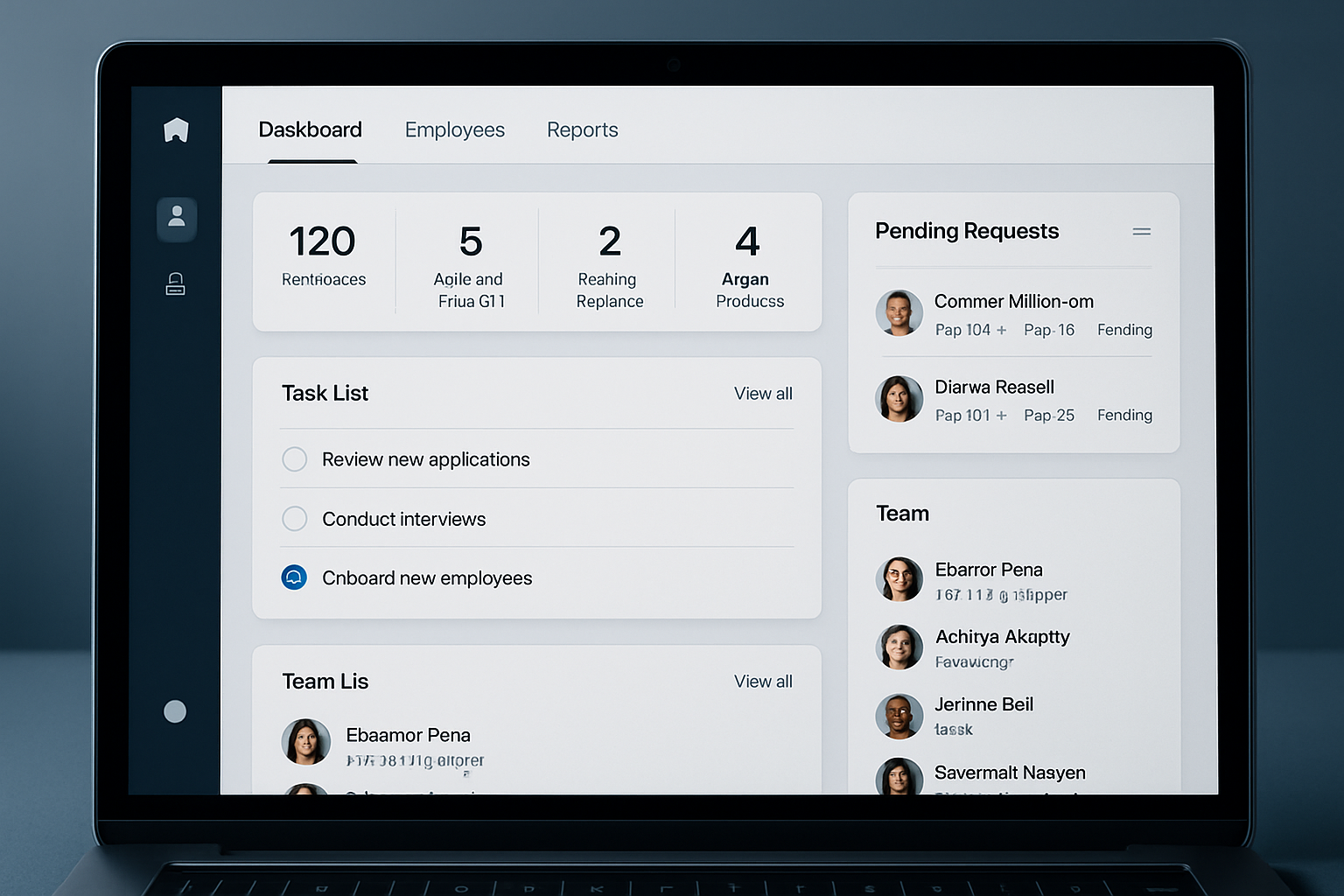
HR / Employee Management Systems
Workflow placeholder
HR / Employee Management Systems
HR and employee management systems for onboarding, employee requests, approvals, records, and internal service workflows across growing organizations.
Architecture fit
APPNEURAL designs employee systems that improve visibility, consistency, and internal service delivery across people operations.
Workflow placeholder
Education / Training Platforms
Workflow placeholder
Education / Training Platforms
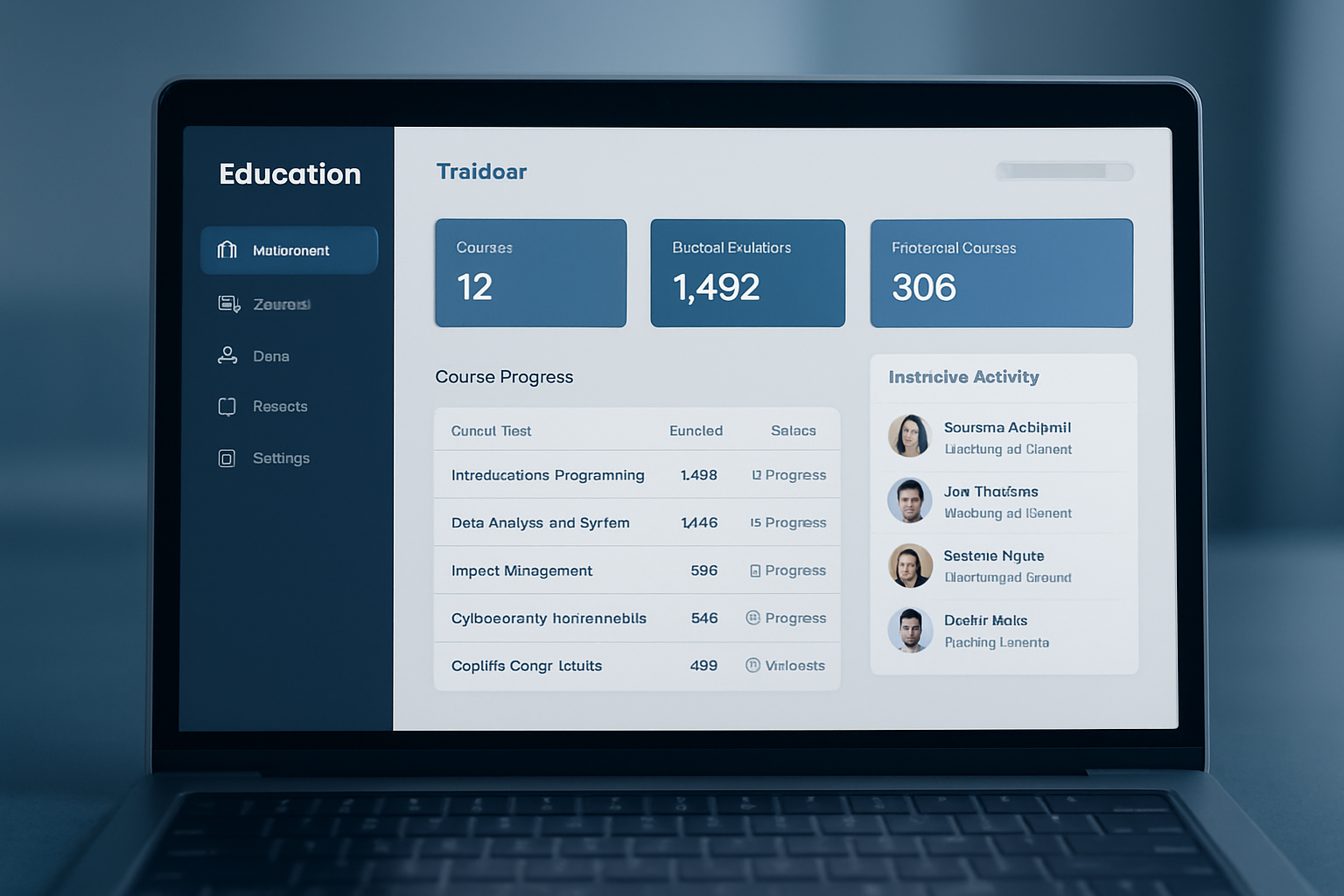
Education and training platforms for learning delivery, student workflows, administration, reporting, and scalable training operations.
Architecture fit
APPNEURAL builds education and training platforms that connect experience, operations, and management workflows.
Workflow placeholder
CRM / ERP / Admin Platforms
Workflow placeholder
CRM / ERP / Admin Platforms
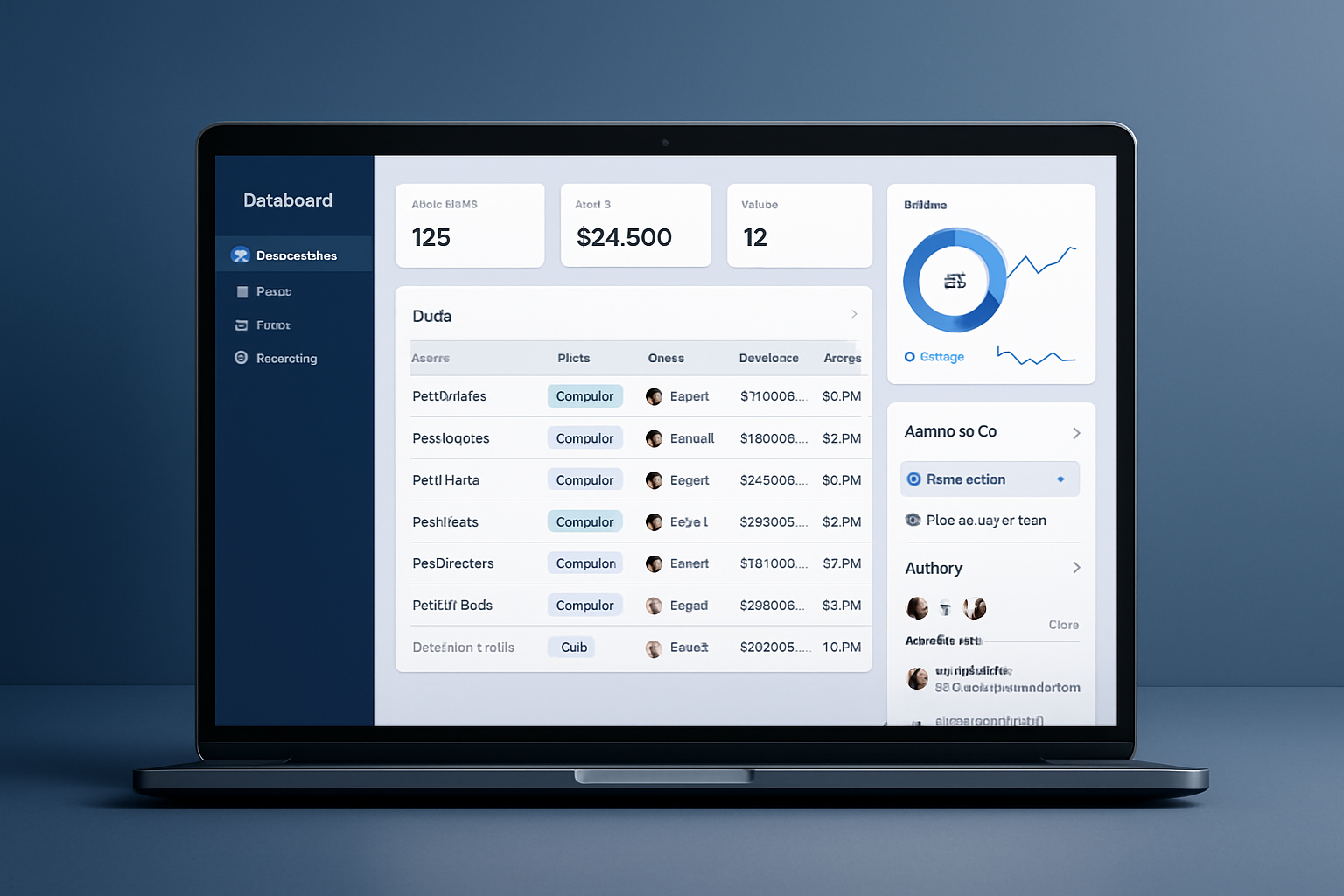
CRM, ERP, and admin platforms that centralize customer workflows, operations, finance processes, and administrative control in custom business software.
Architecture fit
APPNEURAL develops custom CRM, ERP, and administrative platforms that connect workflows, visibility, and system control.
Workflow placeholder
Smart Portals & Management Systems
Workflow placeholder
Smart Portals & Management Systems
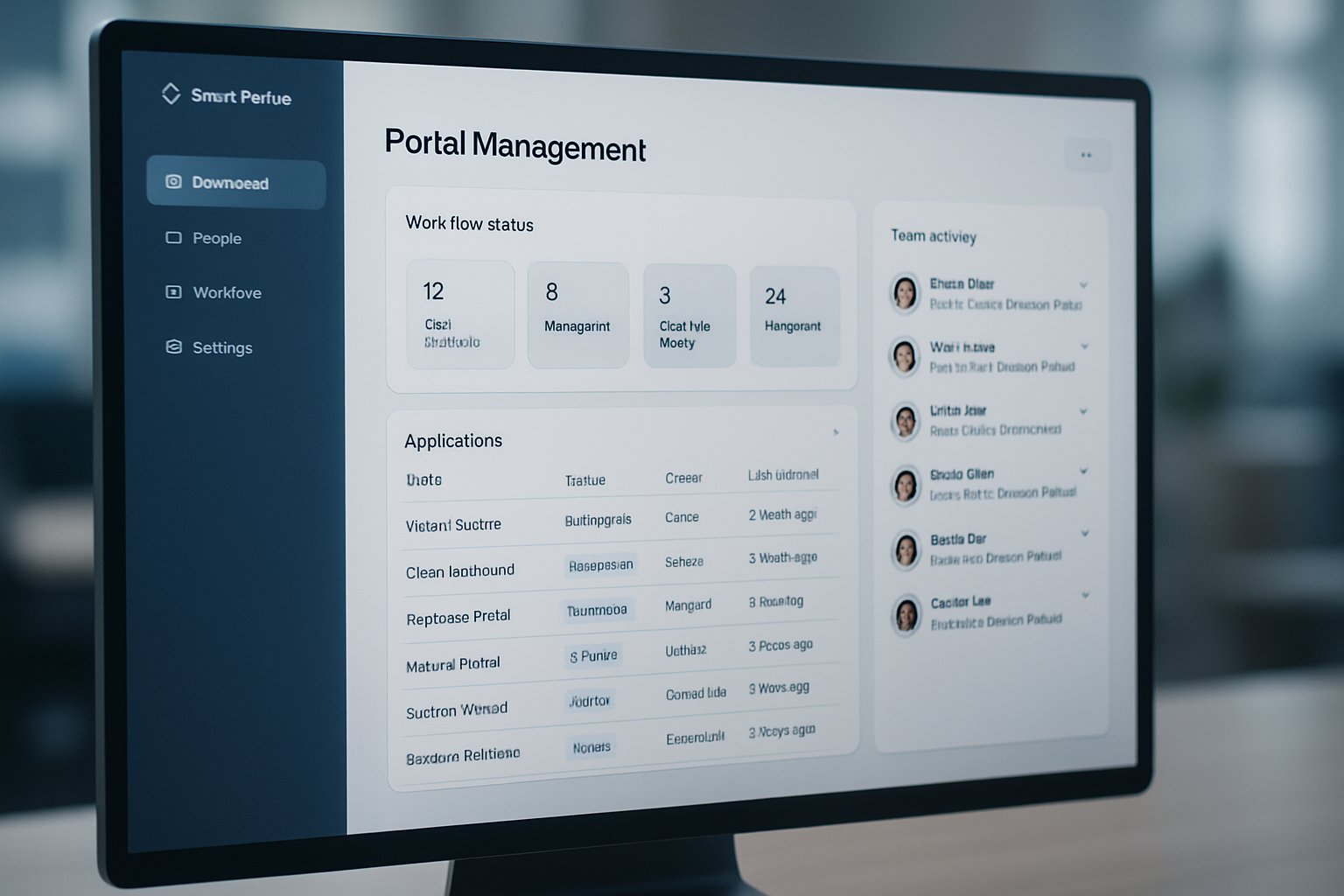
Smart portals and management systems that combine user access, workflows, operational visibility, and intelligent interaction layers in one custom portal solution.
Architecture fit
APPNEURAL builds portals that unify access, information, tasks, and communication into more usable management systems.
Architecture consultation
APPNEURAL uses the first consultation to clarify architecture direction, system fit, and the best next step for your platform.

Consultation placeholder
APPNEURAL architecture consultation
Consultation placeholder
APPNEURAL architecture consultation
Architecture applications
APPNEURAL applies these system models across AI products, workflow engines, business systems, SaaS platforms, dashboards, and platform modernization initiatives.
AI operations platforms
Workflow orchestration systems
Knowledge and support systems
Multi-tenant SaaS products
Dashboards and admin platforms
Document intelligence pipelines
Related Pathways
These related pages help APPNEURAL connect architecture decisions to platform outcomes, engineering capabilities, and industry-specific system models.
Platform ecosystem
See the intelligent platforms that depend on clear system design, automation layers, and scalable architecture.
Engineering capabilities
Understand the capability model APPNEURAL uses to deliver architecture across AI systems, platforms, and automation.
Industry architecture fit
Explore how architecture decisions change across different industries, workflows, and operating environments.
FAQ
These short answers help teams understand how APPNEURAL approaches system design, architecture decisions, and implementation fit.
Solution pages capture searches from buyers who describe the business problem they need solved rather than the service category they want to hire. That often leads to stronger conversion intent.
They should explain the problem, summarize the solution, show workflow steps, list use cases and benefits, and include FAQs that answer decision-stage questions directly.
They connect core service topics like AI development and automation with real operational contexts, which strengthens semantic relationships across the site.