Case Studies

Representative APPNEURAL delivery patterns across platforms, operations, and intelligent workflows.

This case studies section shows how APPNEURAL frames system problems, chooses architecture models, and measures outcomes in enterprise-style delivery environments.

These are representative patterns rather than overclaimed marketing stories. The goal is to help buyers understand the kind of work APPNEURAL is built to do.

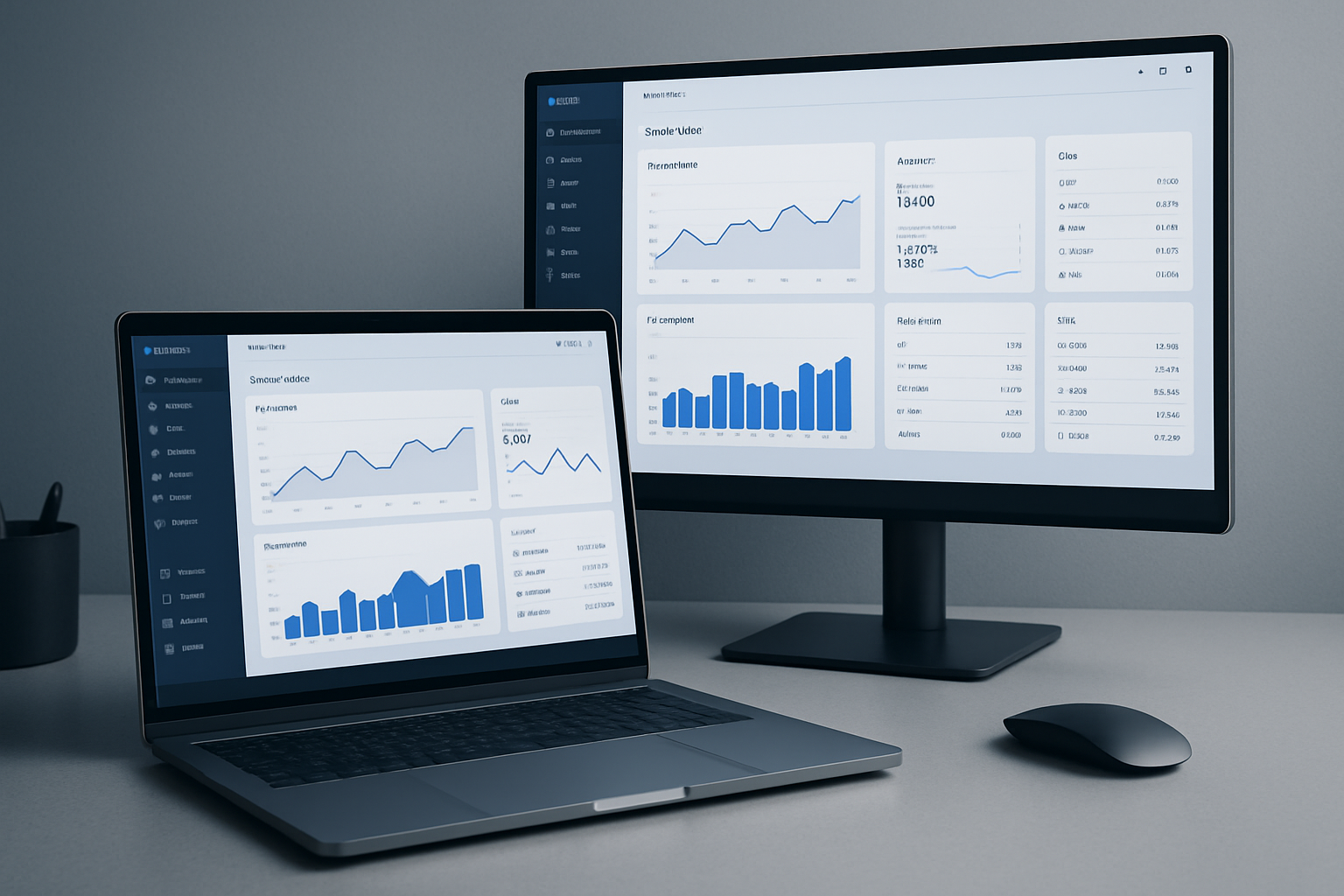
APPNEURAL enterprise delivery case studies visual

Consultation placeholder

APPNEURAL representative case studies

Consultation placeholder

APPNEURAL representative case studies

Proof

Representative engagement patterns

Depth

Challenge to architecture to outcome

Relevance

Useful for buyer-side evaluation

Featured Engagements

Three delivery patterns that reflect common APPNEURAL transformation paths.

Each case study connects a business context with architecture decisions, operating model changes, and the type of outcome APPNEURAL is structured to create.

Workflow placeholder

Operations Command Center for Multi-Team Workflow Visibility

Representative Case Study

Operations Command Center for Multi-Team Workflow Visibility

A representative APPNEURAL engagement pattern for consolidating fragmented operations into one intelligent control layer with automation, auditability, and delivery visibility.

Read case study

Industry placeholder

Multi-Tenant Learning Platform for Program Delivery at Scale

Representative Case Study

Multi-Tenant Learning Platform for Program Delivery at Scale

A representative APPNEURAL delivery pattern for building a scalable education platform with tenant-aware content, learner workflows, analytics, and long-term product extensibility.

Read case study

Architecture placeholder

Document Intelligence Pipeline for Faster Intake and Review

Representative Case Study

Document Intelligence Pipeline for Faster Intake and Review

A representative APPNEURAL engagement pattern for turning document-heavy manual operations into a structured pipeline with extraction, review workflows, and governed exception handling.

Read case study

What Enterprise Buyers Need

A useful case study section should answer more than who the client was.

Enterprise-level proof content works best when it explains the operating problem, the architecture response, the delivery model, and the kind of measurable shift the system created.

Business context

What changed in the operating model and why the old way stopped scaling.

Architecture response

How the system was structured to create stronger visibility, reuse, and governed execution.

Delivery confidence

How the implementation path reduced risk and gave stakeholders a clearer planning model.

Outcome Themes

The strongest APPNEURAL engagements usually create the same four kinds of leverage.

Visibility

Teams move from status chasing to structured understanding of work, risk, and throughput.

Control

Workflow ownership becomes clearer because the system governs states, transitions, and escalation paths.

Scale

Architecture supports growth without the same level of manual coordination or repeated rebuilds.

Reuse

New products, workflows, or business units can extend the system foundation instead of starting over.

Next Step

Turn your current delivery bottleneck into a structured system roadmap.

If you are planning a platform, workflow system, AI pipeline, or operating model upgrade, APPNEURAL can help frame the architecture and delivery path.

APPNEURAL delivery roadmap and systems planning visual

Architecture placeholder

APPNEURAL delivery roadmap

Architecture placeholder

APPNEURAL delivery roadmap