
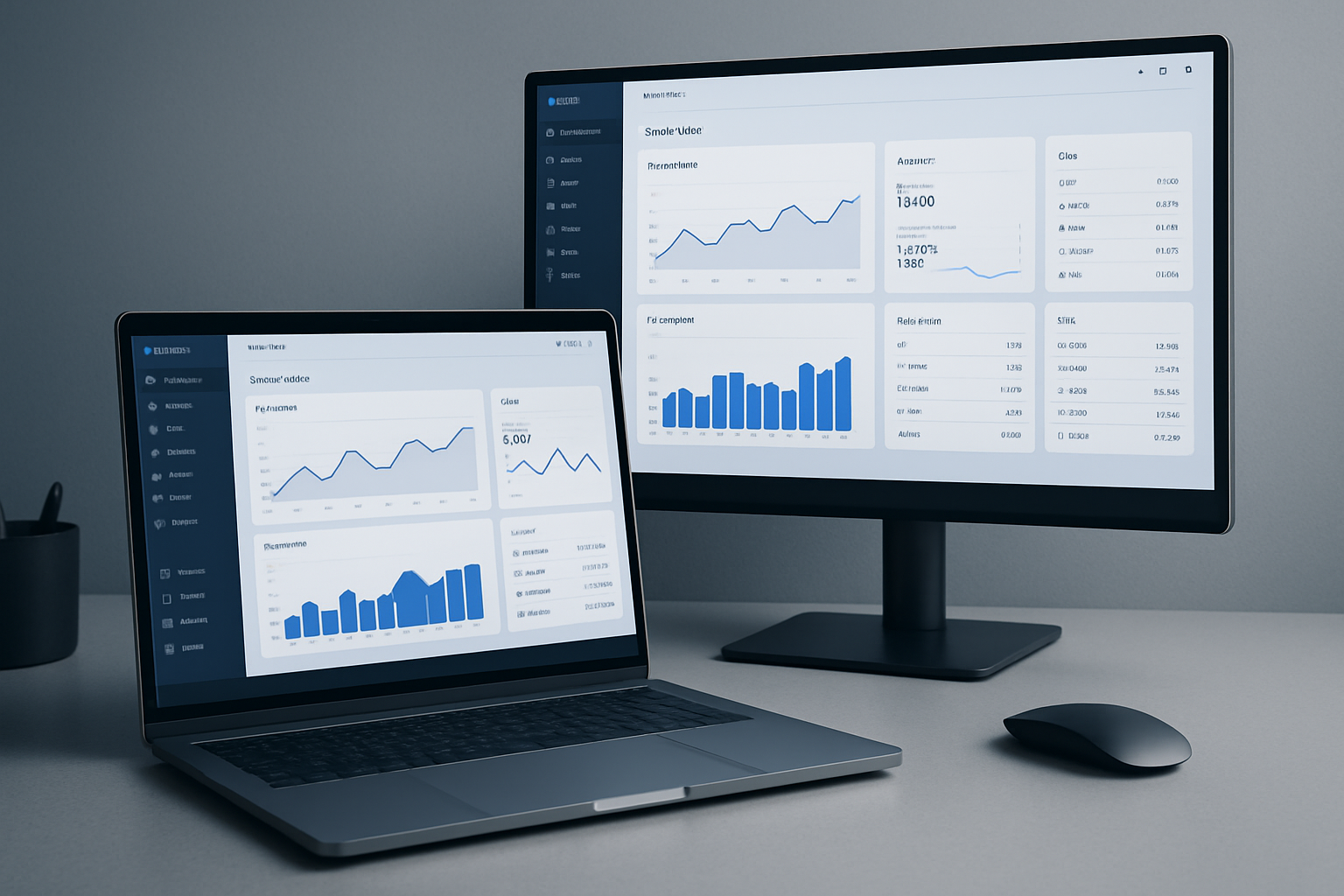
Architecture placeholder
System design
Architecture placeholder
System design
Boundaries
Cleaner domain separation
Sequence
Better implementation order
Scale
More durable architectural decisions
System Design
System design is where product scope, architecture boundaries, workflow structure, and operational realities meet. APPNEURAL uses it to reduce ambiguity before implementation scales complexity.
Architecture placeholder
System design
Architecture placeholder
System design
Boundaries
Cleaner domain separation
Sequence
Better implementation order
Scale
More durable architectural decisions
What Good System Design Covers
Domain boundaries
Separate business concerns so workflows, interfaces, and ownership models remain understandable.
Workflow states
Model the system around real operating states instead of only UI screens or feature lists.
Integration paths
Define how internal and external systems exchange data without creating hidden coupling.
Change tolerance
Design for the reality that requirements evolve and systems need structured extension points.
Why It Matters
Delivery alignment
Stakeholders get a shared language for what is being built and why.
Risk reduction
Teams uncover architectural constraints and sequencing issues earlier.
Healthier scale
Systems can support more workflows, users, and integrations without the same structural strain.
Next Step
APPNEURAL can help your team turn feature scope into a stronger system model that supports delivery, operations, and long-term scale.

Consultation placeholder
System planning
Consultation placeholder
System planning